Installing a new central heating system can seem like a daunting task but knowing what to expect can make the process much easier to manage. In this article, we’ll explain how long it typically takes, what’s involved, and why upgrading to a modern system is a worthwhile investment.
Installation Timeframe
The time it takes to install central heating varies, usually ranging from one to five days. The duration depends on factors like the size of your home, the type of system being installed, and the complexity of the work. For instance, replacing an older system with a similar new one is relatively straightforward and may take just a couple of days. On the other hand, installations involving underfloor heating or significant pipework can take longer.
The Installation Process
The process of installing central heating includes several steps, all designed to ensure your system works smoothly and reliably:
Replacing The Boiler
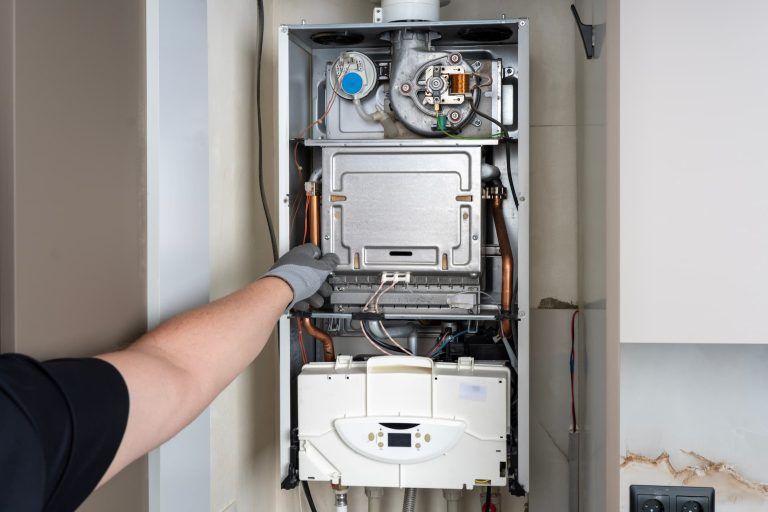
The boiler is the heart of your central heating system. A new boiler is carefully fitted and connected to ensure it operates efficiently.
Fitting Radiators Or Underfloor Heating
Radiators or underfloor heating distribute warmth throughout your home. These are installed in the right locations for even heat coverage.
Laying Connecting Pipes
Pipes are laid to carry hot water from the boiler to radiators, underfloor heating, or other parts of the system.
Installing Heating Controls
Modern heating controls, such as thermostats and timers, are installed to help you manage your home’s temperature and energy use.

Filling The System & Testing It
The system is filled with water and tested to make sure everything works correctly. Settings are adjusted for the best performance.
Managing Disruptions
Central heating installation is a significant job, and some disruption is inevitable. For example, carpets or floorboards may need to be lifted temporarily to allow for the installation of pipes. Additionally, tasks like drilling can create dust and mess, although professional installers usually tidy up at the end of each day. While these inconveniences are temporary, they can be minimised with some preparation and careful planning.
Reducing The Impact On Your Home
There are several ways to make the installation process less disruptive. Planning the work during the summer months, when heating is less essential, can be a practical choice. Preparing your home by moving valuables out of the work areas and protecting carpets with sheets can also help. Many professional installers provide temporary heating solutions, such as portable heaters, as well as protective coverings to keep your home as tidy as possible during the work.
The Benefits Of Upgrading
Although central heating installation can disrupt your daily routine, the benefits far outweigh the inconvenience. Modern heating systems are much more efficient than older ones, which can lead to significant savings on energy bills. They are also more reliable, reducing the likelihood of breakdowns during cold weather. Upgrading your heating system can also contribute to a greener home by lowering your overall energy use.
For Professional Central Heating Installation, Contact G4 Gas Today
Upgrading your central heating may take a few days, but the comfort and efficiency you’ll gain will last for years to come. With proper planning and expert assistance, the process can be straightforward and stress-free. If you’re ready to upgrade your central heating system, G4 Gas is here to help. Their team of experienced professionals can guide you through the process and ensure your installation is carried out with minimal fuss.