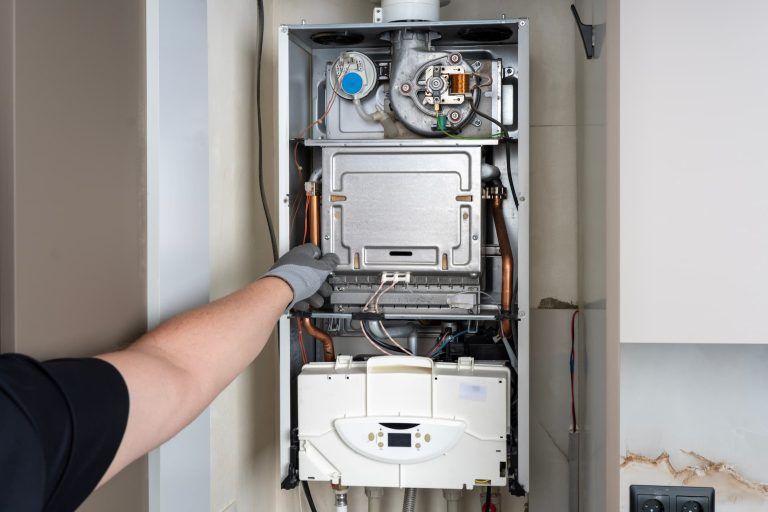
Gas boiler service searches rise every autumn as homeowners across Trowbridge and the surrounding areas start thinking ahead to winter. A boiler that’s been running quietly all summer can hide small faults that only show when the heating is switched back on properly. Booking a service before winter is a simple way to avoid being left without heating when you need it most.
It’s natural to wonder what the engineer is actually doing during that visit and why it takes so long. Here’s a breakdown of what to expect when you book gas boiler services with a Gas Safe registered engineer.
Why Regular Servicing Matters
Gas boilers are efficient and reliable. But because they produce carbon monoxide as a by-product, they need regular checks to confirm they’re burning gas safely. A service isn’t just about keeping the heating running. It’s about protecting your household from an undetectable and potentially fatal gas.
Alongside the safety side of things, annual servicing also helps maintain your manufacturer’s warranty and keeps your system running efficiently. Plus it gives you the chance to catch small issues before they become expensive repairs. If you’re a landlord, it’s also part of your legal obligations under the Gas Safety (Installation and Use) Regulations, which require an annual check and a valid safety record for any tenanted property.
Before The Engineer Arrives
A good service starts before any tools come out. Your engineer should ask about any issues you’ve noticed, such as strange noises, pressure drops, or error codes, and take a look at the boiler’s service history if one is available. This helps flag anything that needs closer attention once the inspection begins, rather than relying on a generic once-over.
The Safety Checks
Safety checks make up the most important part of any gas boiler service. During this stage, your engineer will typically:
- Inspect the flue for blockages, damage, or incorrect sealing. This is responsible for venting combustion gases safely away from your home.
- Carry out a combustion analysis. Measure the ratio of gases produced to confirm the boiler is burning fuel cleanly and efficiently.
- Test the boiler’s safety devices. Check the flame failure device and pressure relief valve to make sure they shut the system down correctly.
Each of these checks exists to rule out the risk of carbon monoxide leaks, so an engineer should never rush through this stage of the visit.
Cleaning & Component Checks
Once the safety side of things has been confirmed, your engineer will move on to cleaning and inspecting internal components. This usually includes removing and cleaning the burner, checking the heat exchanger for signs of corrosion or scale build-up, and clearing the condensate trap to prevent blockages. They’ll also check the system’s water pressure and top it up if needed, as well as inspecting visible pipework for leaks or wear. A clean, well-maintained system puts far less strain on the boiler. This, in turn, helps it run more efficiently and last longer.
Testing & Performance
With the boiler cleaned and the safety checks complete, the final stage is putting the system through its paces. Your engineer will run the boiler through a full firing cycle to confirm it reaches and holds its target temperature and will check that all the controls, including thermostats and timers, are responding correctly. If you’ve got an older thermostat, this is often a good time to ask about upgrading to a smart one. Smart controls can help you manage your central heating more efficiently and reduce unnecessary energy use.
What Happens If A Fault Is Found
If your engineer spots an issue during the service, they should talk you through what’s been found and what your options are. Whether that’s worn parts, failing components, or signs that the boiler is coming to the end of its life. In many cases, a small repair is all that’s needed to keep things running safely. If your boiler is older or the cost of repairs starts adding up, it may be worth discussing replacement instead. Particularly if you’re regularly calling an engineer out between services. Either way, a thorough service should never end without you understanding exactly what condition your boiler is in.
Not every property in Trowbridge runs on mains gas, and the same logic applies whether your system is oil- or LPG-fired. Both still rely on regular servicing to stay safe and efficient. So it’s worth checking in on your system type if you’re unsure what your current setup needs. The same goes for the rest of your plumbing, from water pressure to general leaks. Small issues elsewhere in the system can sometimes point to a wider problem worth the attention of an engineer.
Book Your Gas Boiler Service In Trowbridge Today
A professional boiler service only takes an hour or so, but it makes a real difference to the safety, efficiency, and lifespan of your heating system. Whether it’s been a while since your last check or you’ve just noticed something isn’t quite right, our Gas Safe engineers cover Trowbridge and the surrounding areas and are happy to talk you through exactly what your boiler needs. Contact our team today to book your gas boiler service and head into winter with peace of mind.